-
News & Trends -
Sales -
Marketing Related Topics -
B2B Software Guides Related Topics -
Free Tools & Resources -
- About Us About Us
The AI content gold rush has hit a point where many audiences have learned to spot — and skip — AI-generated materials. Yes, AI in the mainstream was a noticeable topic in the 2026 Super Bowl ads.
But many of them drew the ire of viewers concerned about privacy and surveillance, the use of AI to cut creative corners, and the environmental impact of AI data centers.
The trust gap between what brands publish and what buyers actually believe is widening. Readers are making snap judgments about what they're looking at. And it's making it harder for content marketers to earn credibility.
For B2B sales and marketing leaders, the question isn't whether to use AI anymore, but how to use it without hurting audience relationships.
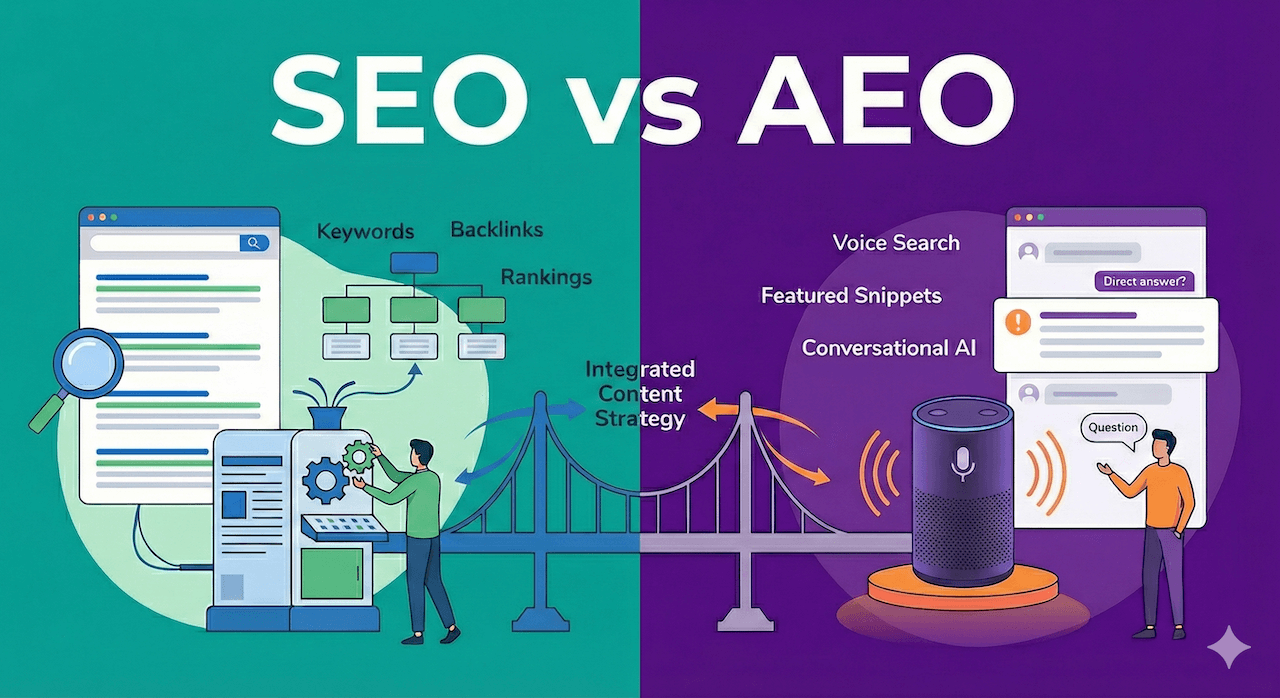
Buyers are wading in a sea of sameness wherein content and product messaging check SEO boxes but don't deliver genuine insight. The problem isn't AI itself, but the way most teams are deploying it.
When every competitor uses the same tools to generate the same type of content targeting the same keywords, things start to sound identical. This sameness makes real credibility hard to spot — who said it first? Buyers can't distinguish between brands when the content reads as if it came from the same template.
When marketers favor this approach, they risk readers tuning out and losing faith in content marketing as a reliable source of information altogether. Sales reps who favor this approach get stuck in the personalization paradox we've talked about before. Both can have real revenue implications.
Together, teams compound the challenge when they treat AI as a replacement for expertise rather than a tool to enhance it. Content that lacks specific examples, nuanced takes, or genuine, first-person experiences can signal to readers that nobody with actual knowledge reviewed it before publication.
That signal matters more than ever in markets where buyers do extensive research before ever talking to sales.
With AI tools being pushed into the B2C mainstream and seemingly every B2B solution and workflow, abandoning them altogether doesn't feel realistic right now. But using them strategically while doubling down on the elements machines can't replicate does.
So, start with trust in your own perspective. Language models can predict, but can't produce your unique take on industry challenges, informed by real client conversations and implementation experience, as well as you can.
When you lead with a specific point of view grounded in what you've actually seen work or fail, it shows authentic expertise immediately.
Meanwhile, storytelling separates memorable content from filler. Real scenarios from your sales calls, specific examples of how customers solved problems, and concrete details about implementation challenges create a connection.
And these perspectives and stories don't have to be elaborate. A two-sentence example of how a client approached a common obstacle can carry more weight than paragraphs of statistics and best practices.
Finally, transparency about AI use shows commitment to trust-building. Being upfront about using AI for research, first drafts, or data analysis, while emphasizing the human expertise that shapes the final piece, can earn audience appreciation.
The priority is ensuring that every piece of content reflects genuine knowledge and experience, regardless of which tools helped produce it. Your audience's time is valuable. You can respect it by ensuring AI amplifies your unique position.
Successful content strategies in this environment require clear guardrails for AI use. At the very least, establish a review process where subject matter experts validate AI-generated drafts, add specific examples, correct nuances, and inject perspectives that reflect your brand.
Next, invest in differentiation through depth rather than breadth. Instead of publishing 10 generic pieces to hit content quotas, consider creating fewer pieces with specific frameworks, detailed case studies, and actionable, experience-backed tactics.
For this, you or your team may have to do more upfront work. But it can deliver better results when put in front of more selective audiences.
Ultimately, the brands that win in the next phase of content marketing will be those that use AI to enhance their points of view. Our prediction is that audience skepticism and criticism of AI will grow as long as major players keep investing in it and push for its adoption.
The opportunity lies in remembering that machines can use research and structure to support trust-building through transparency, perspective, and storytelling, but can't fully replicate it. Your credibility depends on getting this balance before the trust gap becomes too wide to bridge.

Selling Signals delivers actionable advice for sales and marketing professionals. Learn strategies that help you hit targets, strengthen customer relationships, and win more business. Get expert advice on lead generation, sales processes, CRM software, sales management, and account management directly to your inbox.
Property of TechnologyAdvice. © 2026 TechnologyAdvice. All Rights Reserved
Advertiser Disclosure: Some of the products that appear on this site are from companies from which TechnologyAdvice receives compensation. This compensation may impact how and where products appear on this site including, for example, the order in which they appear. TechnologyAdvice does not include all companies or all types of products available in the marketplace.