What to do when AI says your ICP is wrong |
Today’s issue is your guide to using predictive scoring as an alignment engine and not just another marketing ops tool.
January is when many sales and marketing teams make the costly mistake of dragging last year’s scoring rules into a new pipeline reality. In B2B SaaS, even solid traffic doesn’t magically become pipeline, with the average website traffic-to-lead conversion rate at 2.5%.
So, out of 100 visits, you’re lucky to get two to three leads. When your model over-rewards clicks, titles, or “high intent” behavior that doesn’t convert, you waste valuable marketing spend and sales time. |
|
|
Scoring, however, is only half the battle. Buyers are raising the bar on what “qualified” actually means, with the majority of them being more likely to buy when their goals are understood.
This is where AI lead scoring changes the game. In addition to reshuffling your lead list, it also shows you that the accounts you thought were “perfect ICP” might not be converting. And that’s exactly what we’re fixing today. |
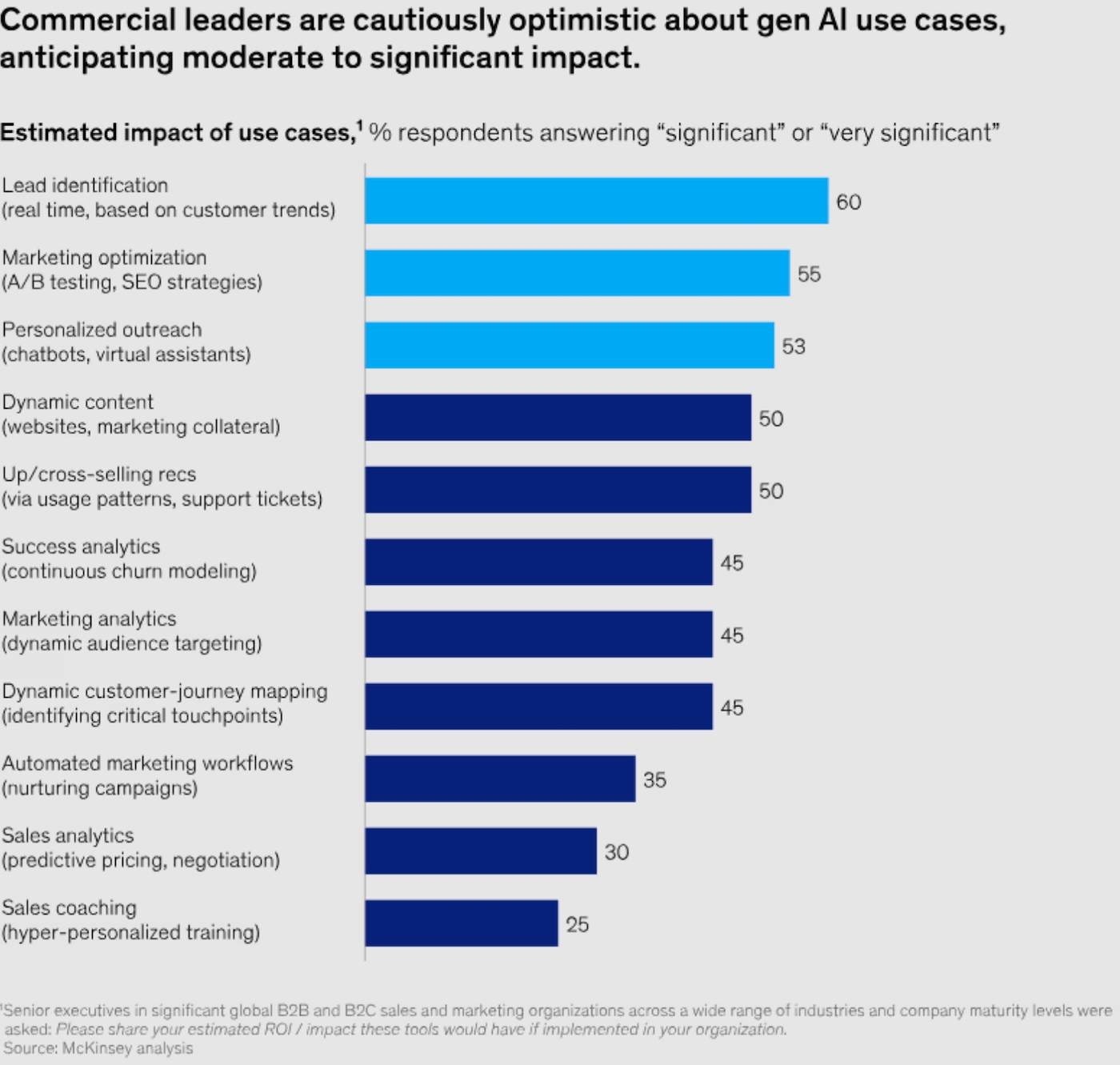
Commercial leaders see the biggest GenAI impact in lead identification, followed by marketing optimization and personalized outreach. (Source: McKinsey & Company) |
|
|
Validate the score, then sell to the right leads |
This week, your job is not “use the AI score.” Your job is to validate it and turn it into a shared revenue system.
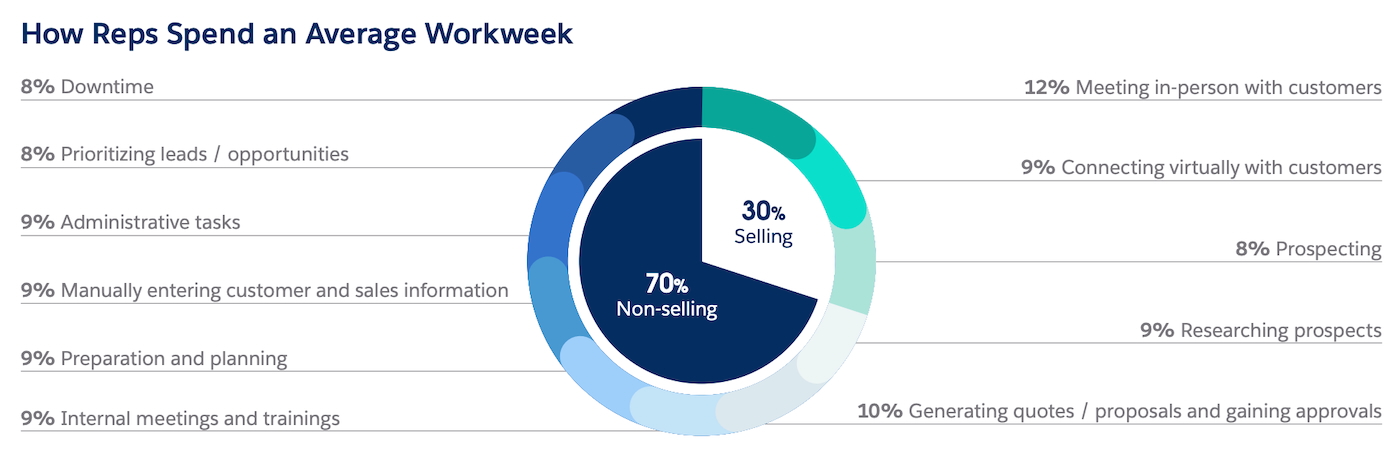
Why? Because reps don’t have time to chase the wrong leads. If you’re like most sales reps, you probably spend 70% of your time on non-selling tasks. So, the small window you actually have to prospect, follow up, and run deals is too valuable to burn on the wrong leads, even if they look “hot” in the CRM. |
Sales reps spend only 30% of the week selling; most time goes to admin, research, proposals, and internal work. (Source: Salesforce) |
AI can help, and it’s already in the workflow for more than half of sales professionals who use it for data analysis, including lead scoring, pipeline analysis, and forecasting. The difference here lies in whether your team is using it to focus reps on leads that actually become pipeline.
First, swap the old scorecard (looks good, but doesn’t close) for the one that actually predicts revenue and feeds your pipeline. |
| |
- Webinar attendance
- Generic email clicks
- “Perfect” firmographics
- One champion engaging
- High activity with no next-step behavior
|
| -
Pricing + implementation intent
- Comparison and evaluation of behavior
- Multiple stakeholders engaging
- Repeat visits and urgency patterns
- Clear next-step actions (demo, security, onboarding)
|
|
|
-
Asking smarter discovery questions. “What triggered this search?” beats “Tell me about your goals.”
- Using the score as a reason to investigate, not a verdict. “Why is this high?” can better guide your approach.
- Closing the feedback loop weekly. Review 10 to 20 high-scoring leads and flag which ones are real and which are false positives.
-
Turning it into a playbook. If a lead hits high-scoring behaviors, send a next-step asset, not a generic follow-up.
|
You win by working fewer leads smarter and telling marketing what you’re seeing in real conversations, so the scoring sharpens every week. |
|
|
🧮 Best Lead Scoring Template for Effective Qualification — Plug this template into your GTM workflow to align sales and marketing on what “sales-ready” means, then redirect rep time toward leads showing real buying-stage behaviors.
🤖 How to Use Generative AI for Sales — Adopt these GenAI plays to automate pre-call research, sharpen follow-ups, and surface the best talking points so reps spend less time prepping and more time advancing deals.
🧬 Advanced Lead Enrichment: AI-Powered Data Enhancement — Turn this into a data upgrade plan by identifying your enrichment gaps (missing titles, tech stack, intent signals), then arm reps with cleaner account context so they can prioritize and personalize outreach faster. |
|
|
What validated scores tell marketing to do next |
Once sales validates the score, your marketing team finally gets what it’s been craving: a signal they can actually build around, not just admire in a dashboard. Predictive scoring isn’t the finish line; it’s the “Ok, now what?” moment.
|
First, use the same weekly loop sales runs: The “score reality check” (top scored leads → booked, stalled, ghosted, disqualified).
Marketing’s job is to turn those outcomes into moves the whole GTM team can feel: tighten ICP, refine signals, and map content to next steps. Because nothing says “misalignment” like a lead with a 98 score and a 0% chance of answering.
This matters because buyers don’t just want content. They want content that makes them think, “Yep, they get me.” In fact, 75%+ of decision-makers say thought leadership has pushed them to research a product they weren’t even considering.
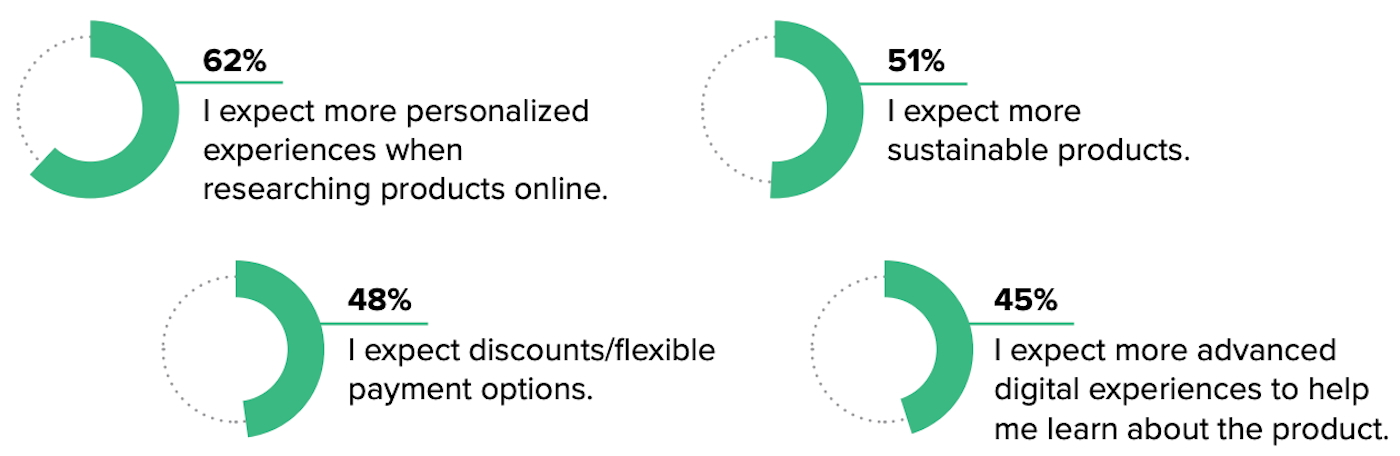
And more than half of buyers expect more personalized experiences when researching products online, so nurture can’t be one-size-fits-all. |
Buyers want personalization most: 62% expect more personalized experiences when researching products online. (Source: Forrester Consulting) |
Validated scoring also exposes the ICP truth without guesswork. If the “highest scores” stall, you have a signal problem. If an unexpected segment converts, you’ve got an ICP update. Your weekly review can surface these patterns. From there, you can: |
-
Tune inputs. Turn false positives into disqualifiers, and promote signals tied to meetings/opps.
- Ship next-step assets by score band. High score gets ROI/implementation/trust, while mid score gets comparison and stakeholder kits.
- Standardize action. Publish a one-pager on “why this is high and what to send next.”
|
Validated scores pull double duty, prioritizing leads and telling you where your ICP assumptions are leaking revenue. |
|
|
I recently watched TK Kader’s podcast, “How to Create an Ideal Customer Profile for Your SaaS Business.” In it, he reminds listeners that Amazon didn’t start as the everything store.
It started as the “books online” store in a time when buying online was still a weird thing to do. And at the end of the day, “selling to everyone” is usually what you do after you’ve earned the right to expand. For B2B sales and marketing, a tight ICP is the difference between generating leads and generating a pipeline. It gives marketing a message that actually lands and sales a target list that doesn’t require therapy after every call block. |
|
|
For marketing, that means fewer vanity wins and more buyers with real urgency. For sales, it means fewer “hot leads” who ghost after the demo. And for alignment, it turns ICP into a living system, not a yearly workshop, but a weekly correction loop based on what actually converts. When AI indicates that your ICP is wrong, don’t panic. Congratulations. You just found the fastest way to stop wasting Q1.
→ Translation: A validated score doesn’t just rank leads but also coordinates action. Sales turns scores into outcomes (booked vs. stalled), while marketing turns outcomes into better signals and better next-step content. When both teams run the same weekly loop, AI not only prioritizes leads but also helps you fix the ICP assumptions that are leaking revenue. |
|
|
|
Bianca has spent the past four years helping businesses strengthen relationships and boost performance through strategic sales and customer engagement initiatives. Drawing on her experience in field sales and territory management, she transforms real-world expertise into actionable insights that drive growth and foster lasting client partnerships. |
|
|
Selling Signals is a TechnologyAdvice business © 2025 TechnologyAdvice, LLC. All rights reserved. TechnologyAdvice, 3343 Perimeter Hill Dr., Suite 215, Nashville, TN 37211, USA. |
|
|
|