








Sales decks are slideshows that salespeople use to present their product or service. Because decks are used in a variety of sales situations, it can be helpful to start with a template and personalize it to fit your needs rather than building one from scratch. To help you create the best sales deck, we’ve compiled some of the top sales deck templates from around the web, including our own. Also included are great examples from reputable companies to use as inspiration.
Here are the eight free sales deck templates you can access:
- Generic Sales Deck Template: Standard sales deck that can be tailored to virtually any situation. Read more below.
- Creative Agency Sales Deck Template: Sales deck for organizations such as marketing agencies pitching their services. Read more below.
- Sales Deck Template to Book New Meetings: Use this sales deck as a prospecting tool for cold leads. Read more below.
- B2B Sales Deck Template for Decision Makers: Sales deck template that helps you reach the best contact in B2B sales scenarios. Read more below.
- Sales Deck Template for Live Presentations: This template is best for presenting live, either in-person or virtually. Read more below.
- Sales Deck Template for Products: A great deck for companies that want to explain or even demo their product to the viewer. Read more below.
- Sales Deck Template for Beating a Competitor: Use this template to differentiate yourself from other products or services. Read more below.
- Sales Deck Template for an Industry Change: The best template to use while selling during a changing micro- or macro-environment. Read more below.
For more help creating an effective sales deck for any situation, check out our ultimate guide on how to make a winning sales deck. Otherwise, keep reading for a full list of the best templates to use as your foundation.
- Generic Sales Deck Template
- Sales Deck Template for Creative Agencies
- Sales Deck Template to Book Meetings With Cold Leads
- Sales Deck Template for B2B Decision Makers
- Sales Deck Template for Live Presentations
- Sales Deck Template for Products
- Sales Deck Template for Beating a Competitor
- Sales Deck Template for Selling During Industry Changes
- Bottom Line: Sales Deck Template
Generic Sales Deck Template
A generic sales deck can be used in almost any situation, from pitching a cold lead to upselling a current client. A generic deck usually follows a problem/solution narrative structure in which the seller presents a problem-ripe world and its costs, a pleasant afterworld where the problem is solved, and then a bridge to get there: the product or service. Every company should build a generic sales deck that can act as your baseline guide, and a template is a great place to start.
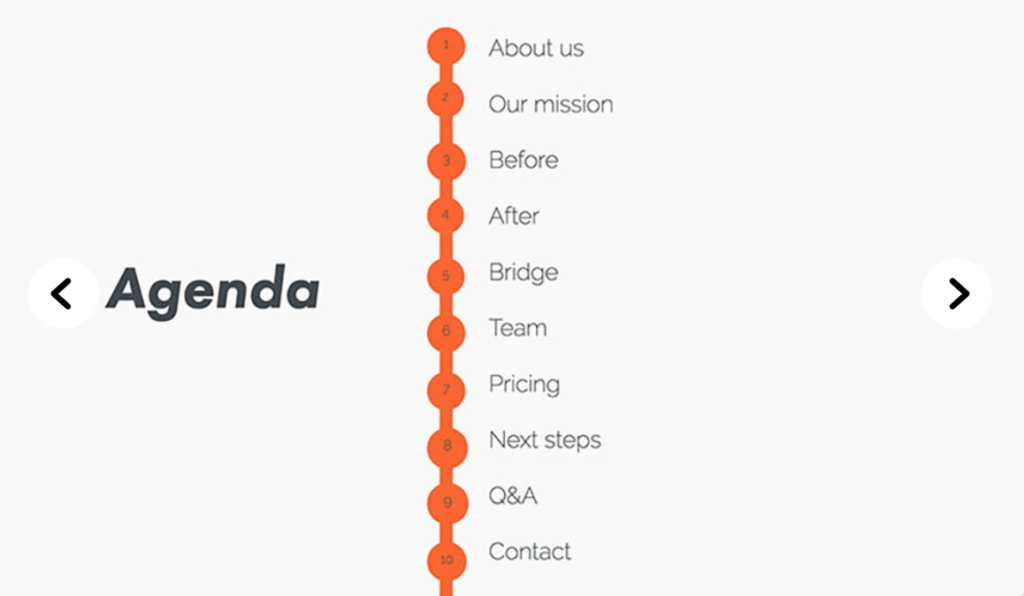
Slidebean’s generic sales pitch deck template adheres to the problem/solution narrative structure so important in a generic sales deck. It presents the problem, teases a better world, and shows the buyer how to get there. The template also uses minimal text and has a clean layout with plenty of space for pictures, graphs, or diagrams, making it great for sales presentations. Below is the deck’s agenda page, which lists each slide in the template.
Generic Sales Deck Template Examples
As you create your own sales deck from a generic template or from scratch, it can be both informative and inspiring to see quality generic sales decks in action. Expand the below to see examples of completed decks:
Richter Generic Sales Deck Example
If you want to cherry-pick some ideas and slides from a reputable sales deck while making your own, check out the Richter sales deck. It includes all the main points a generic sales deck should cover, including the common problem the business solves, how they solve it, the benefits clients receive, and plenty of social proof. Because this sales deck is rich in text, it could serve best as a generic sales deck that's sent out to leads who want to learn about the offer on their own time.

Richter generic sales deck example
Contently Generic Sales Deck Example
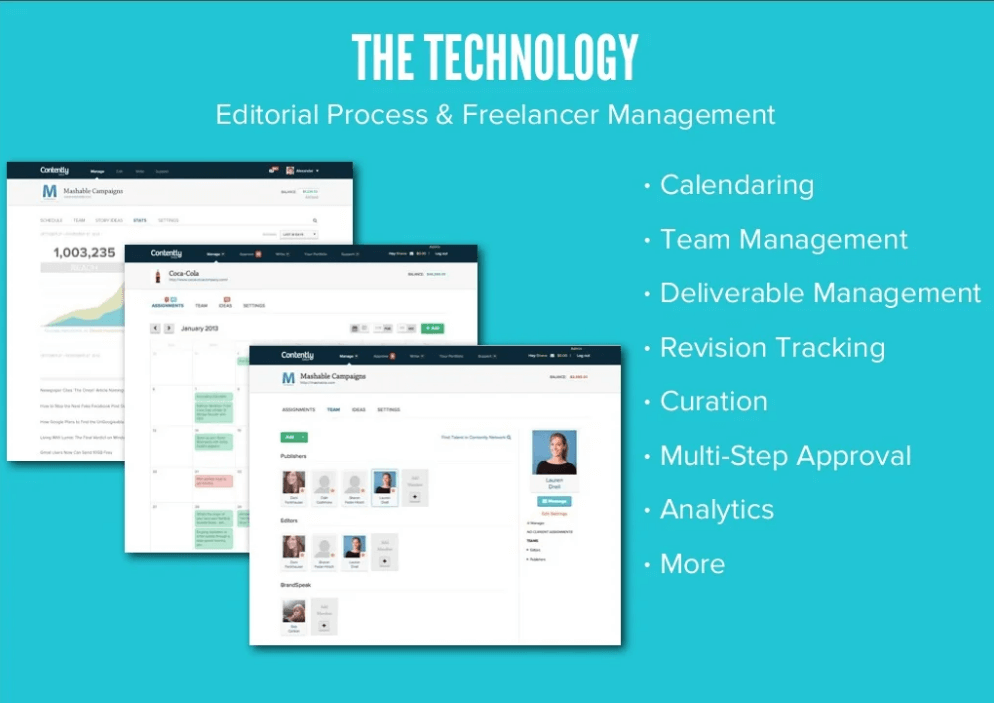
The Contently sales deck explains how important storytelling is in business and what the lead needs to create good stories. It then presents Contently as the way to accomplish this in a single platform that includes publishing technology and a talent network, showing images from the platform to help the viewer picture it. It ends with case studies, benefits, and packages to decide between, encouraging the viewer to take action.
Contently generic sales deck example
Sales Deck Template for Creative Agencies
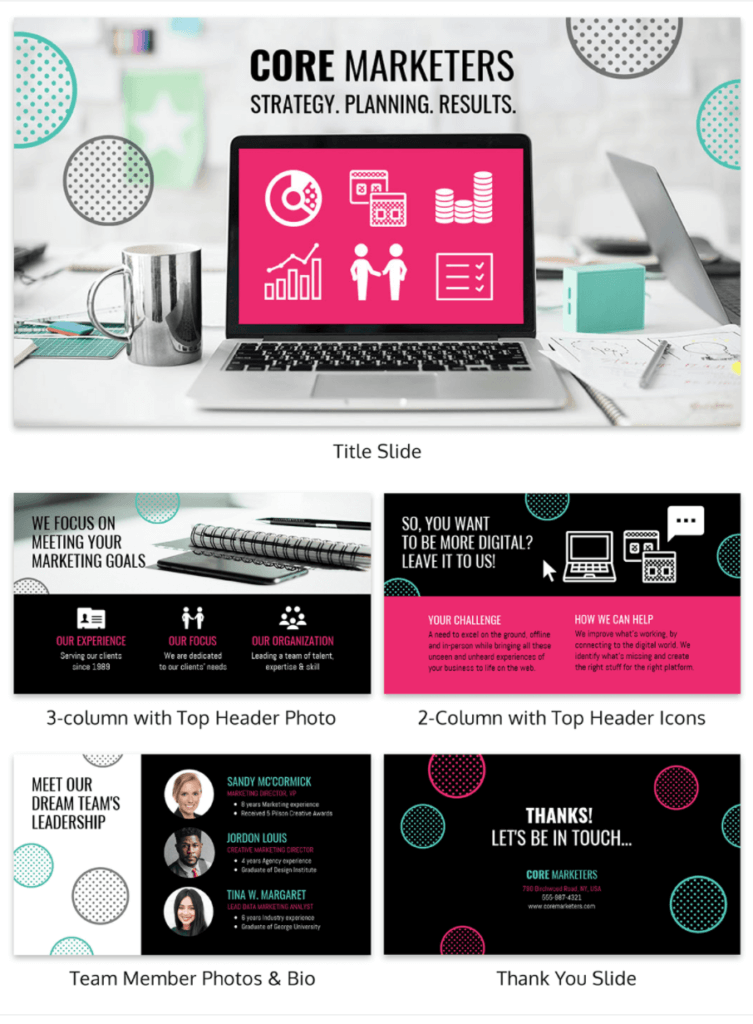
Creative agencies such as marketing or ad agencies need a sales deck that convinces prospects not only of the value of their services but also of the creativity of their team. Your deck should present your value proposition while also helping the buyer get to know your team through headshots and descriptions of their talents and experiences. The design should be aesthetically pleasing, more so than in other industries.
Venngage’s client marketing pitch deck template helps creative agencies show off their creative side by offering a vibrant color scheme and plenty of room for images. The template can be edited into an informational piece of content you send to your potential buyers or into a backdrop for your presentations. You can customize the background, icons, header, pictures, and layout.
Sales Deck Template Examples for Creative Agencies
Open the examples below to see two clear, appealing sales decks from creative agencies:
IMPRiNT Creative Sales Deck Example
Creative agencies can learn a lot from the IMPRiNT sales deck, which is perfect to use in situations when you need to email a sales deck to decision makers who might have been absent from a presentation. The sales deck explains at a high level what the agency accomplishes for its customers. And its “who we are” slide includes personality-rich pictures of its team. This helps buyers get a feel for the employees who will be helping them.

IMPRiNT creative agency sales deck example
Vulpine Creative Sales Deck Example
The Vulpine sales deck is a visually appealing deck with in-depth information about the agency’s process, services, and pricing that gives a prospect a good sense of who they’ll be working with if they decide to buy. The deck also includes photos of the team members, adding a nice personal touch that humanizes the business and makes them more likable to their prospects.

Vulpine creative agency sales deck example
Sales Deck Template to Book Meetings With Cold Leads
To book a sales meeting, you might use your sales deck as a prospecting tool, sending it out to cold leads in a cold email. In this case, your deck needs to grab the lead’s attention and influence them to flip through the slides. To do this, begin with a common pain point that's top of mind for the lead. Because you'll likely send this sales deck to many cold leads, you don't always have to personalize it — just make sure the it hones in on a problem that’s highly relevant to your target buyer.
Our own prospecting sales deck template will help you create a sales deck that you can email to cold leads to book meetings. The deck is meant to grab their attention early and give leads a basic understanding of the pain points you solve and the benefits you provide. The sales deck template is also only eight short slides; this brevity increases the odds a cold lead reads the whole thing and makes it to your CTA page, where you ask for a meeting.

Example Deck Templates to Book Meetings With Cold Leads
Check out these examples, which appeal to cold leads and give them the initial information they need to decide whether to learn more:
Immediately Cold Lead Sales Deck Example
The Immediately sales deck does a great job of capturing a lead's attention right off the bat and showing their product’s value. It begins with three slides highlighting three pain points and their consequences, each backed by data. Plus, it includes pictures of real people experiencing the pains, which engages the reader’s empathy. With the help of pictures, it then succinctly illustrates how their tool solves those pains. A sales deck like this can land you more initial meetings.

Immediately prospecting sales deck example
ProdPad Cold Lead Sales Deck Example
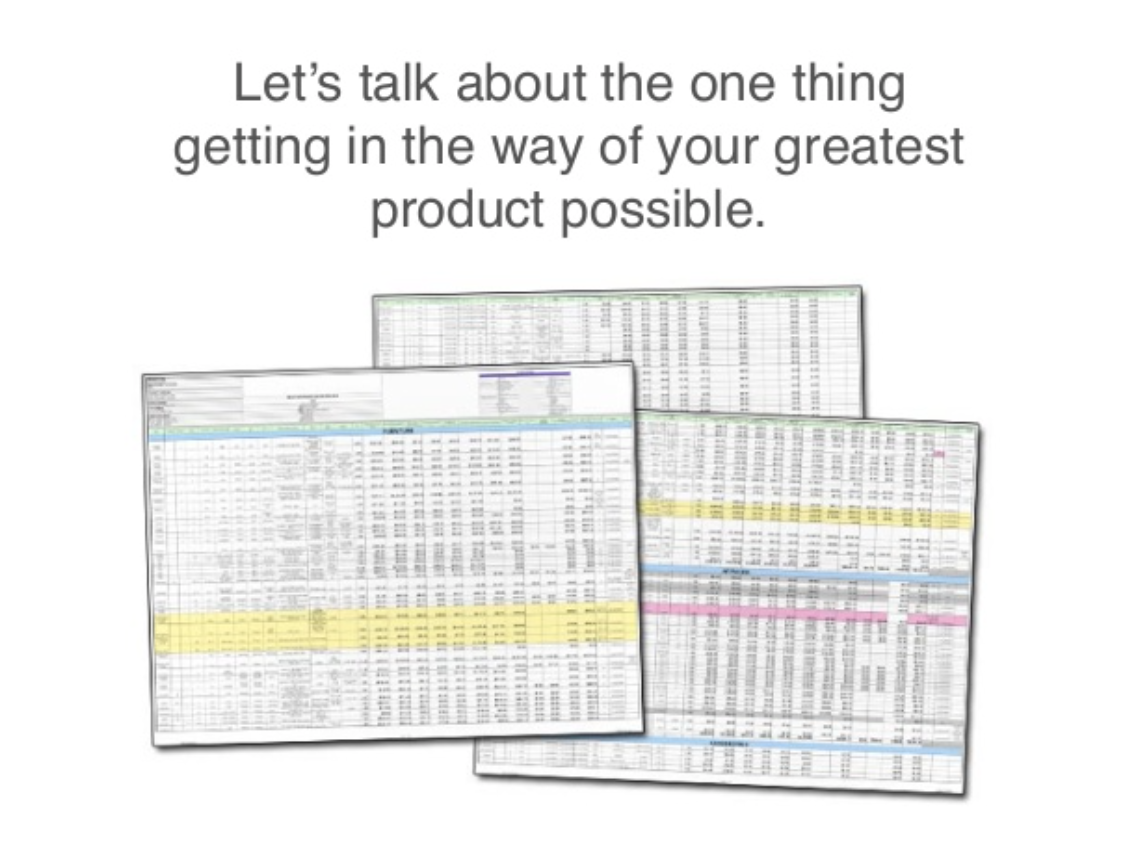
The ProdPad sales deck gets right into the heart of the problem it solves — spreadsheets are wasting project managers’ precious time. Slides 2–6 of the deck list grievances with spreadsheets and their associated costs, going as far as to call them the place where good ideas go to die. Even though the deck is a bit long for a prospecting email, it’s bound to catch the attention and interest of any project manager who’s using spreadsheets.
ProdPad prospecting sales deck example
Sales Deck Template for B2B Decision Makers
If you’re in B2B sales, you’ll run into situations where there are decision makers in the buying process with whom you have never spoken. Sometimes the person you’ve been selling to (aka, the champion) has to sell your solution internally. Instead of letting them go in empty-handed, give them a sales deck that they can share with the other B2B decision makers. The deck should be rich in information that helps the decision makers see your solution’s value.
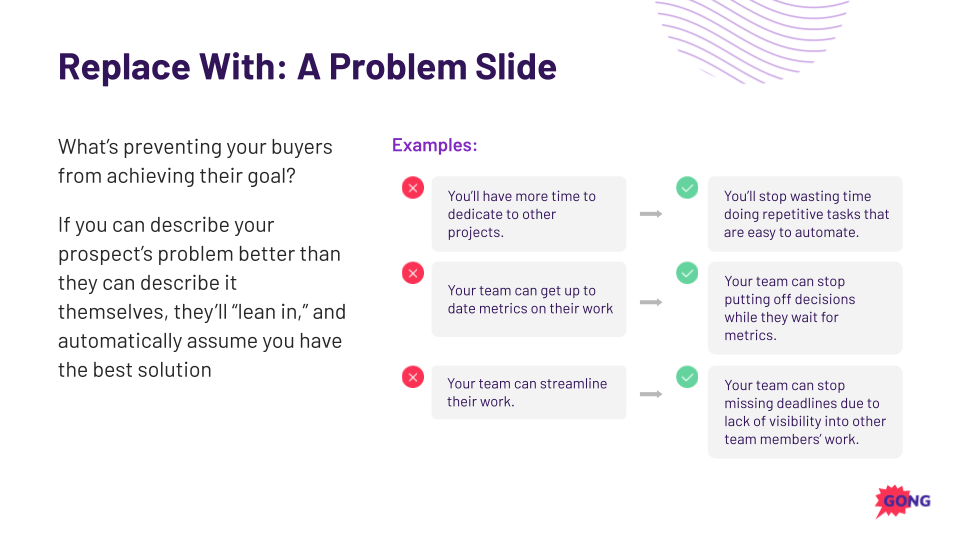
Because this situation usually occurs later in the sales cycle when you have a solid understanding of the prospect’s needs and interests, it’s best to personalize this deck to each prospect’s situation. So, there’s no perfect sales deck template we can offer that will work for every case. If you need a theme to get started, we recommend using Gong’s B2B sales pitch deck template, since it offers a nice layout, is highly customizable, and explains which slides to include or leave out and why.
Sales Deck Template Examples for B2B Decision Makers
Expand the below for two examples of decks that would be effective when sent to decision makers:
Microsoft Office 365 B2B Sales Deck Example
The Microsoft Office 365 sales deck is a good example of a sales deck you would send to B2B decision makers. It's rich in information about the product’s functionality and benefits to the company. But, instead of going in depth on a few key features, it takes the width approach, sharing one-sentence high-level explanations about each feature’s benefit. It also uses pictures of the technology in action to make the functionality even clearer to the reader.

Microsoft Office 365 B2B decision maker sales deck example
Salesforce B2B Sales Deck Example
The Salesforce sales deck makes their complex tool easy to understand by using flowcharts, diagrams, and most importantly, simple language free of technical jargon so even the most technically challenged executives can understand it. It’s mainly educational, and any busy decision maker trying to learn about this software will appreciate the thousand-foot view in this sales deck.

Salesforce B2B decision maker sales deck example
Sales Deck Template for Live Presentations
During sales presentations, use a sales deck that's light on text. Keep each slide to one main idea and use the few words on each slide as talking points to carry the presentation. Use the rest of the space on the slides to include statistics, diagrams, flowcharts, or images. But remember, this is like on-stage scenery at a play — the cardboard trees improve the audience's experience, but far less than the performances of the actors.
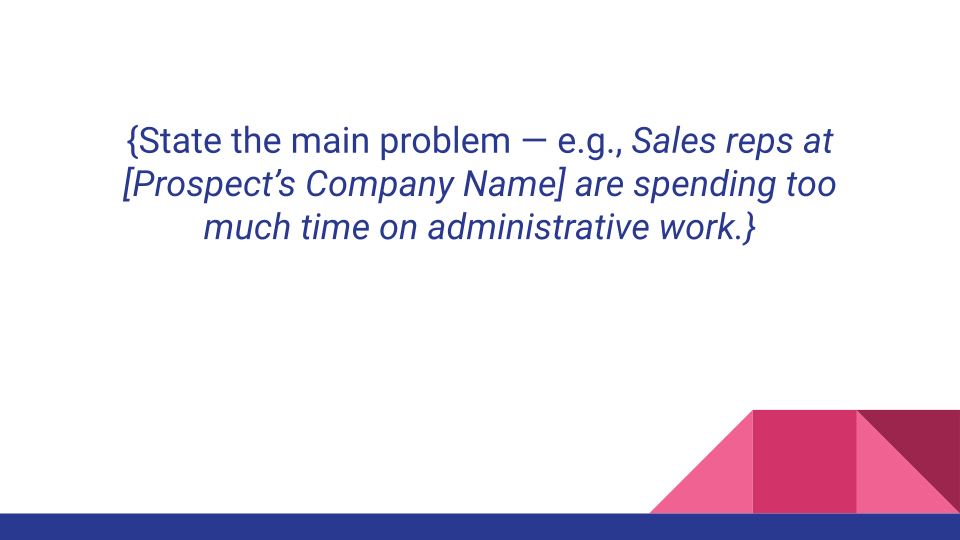
We created a free sales deck template that guides you through the process of creating your own deck. It’s only seven slides long and includes pages for your cover text, problem explanation, solution, testimonials, and CTA. It also follows the problem/solution narrative structure: it begins by explaining the relevant problem and its costs, then it highlights the better world the prospect will experience after solving that problem, then it introduces the solution and its benefits.
Sales Deck Template Examples for Live Presentations
Open the section below to read about two example decks that would support the speaker well during a live presentation:
Keptify Live Presentation Sales Deck Example
The Keptify sales deck is an example of a deck designed for sales presentations. It's light on text, rich in images and diagrams, and visually engaging and appealing. The sales deck begins by introducing a problem that’s a burden for its prospects: virtual cart abandonment. It then discusses what causes this problem and how Keptify’s solution can prevent it from happening.

Keptify presentation sales deck example
Relink Live Presentation Sales Deck Example
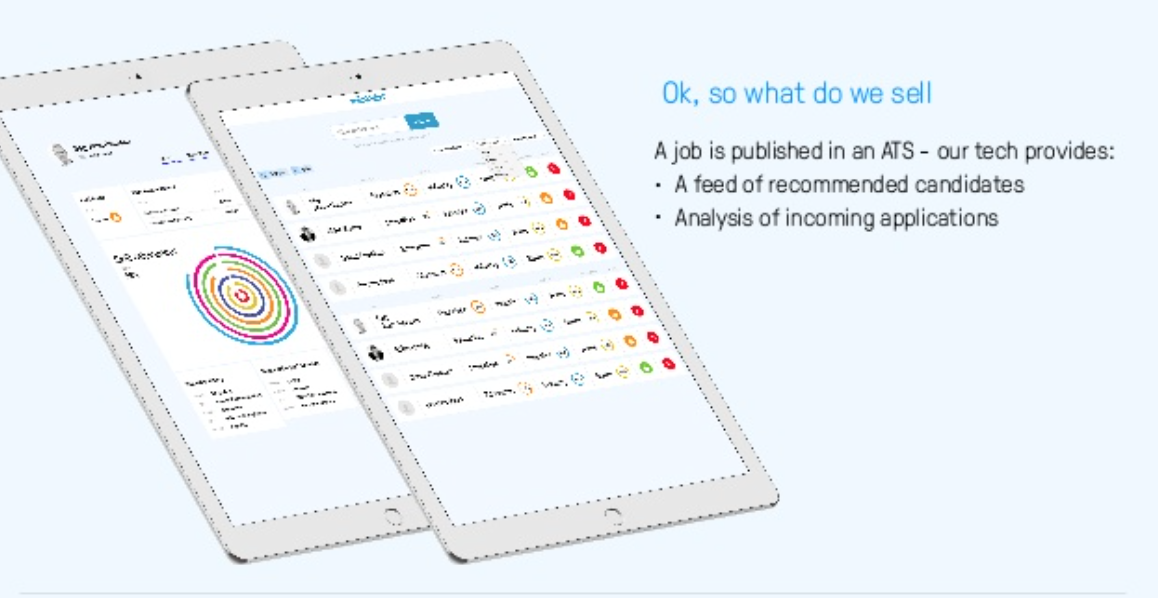
Relink’s sales deck successfully passes a sales presentation evaluation technique known as the airplane test. If the deck were left at the airport and found by a stranger, the stranger would finish a bit confused and feeling like information was missing. This is a good thing. When presenting, the words on the slides are starting points, almost nonsensical without your elaboration. Use spoken word to give insights that surpass the value of the blurbs on each slide.
Relink presentation sales deck example
Sales Deck Template for Products
If you're selling a product, you could dedicate most of your slides to the product itself. Consider using a template that helps you showcase your product at a high level or even run through an entire or abbreviated product demo. These templates are good to use whether you're giving a live presentation or sending it to an interested lead; the slides can stay the same for the most part, but you can add or remove text or videos depending on whether the lead will review it with you or alone.
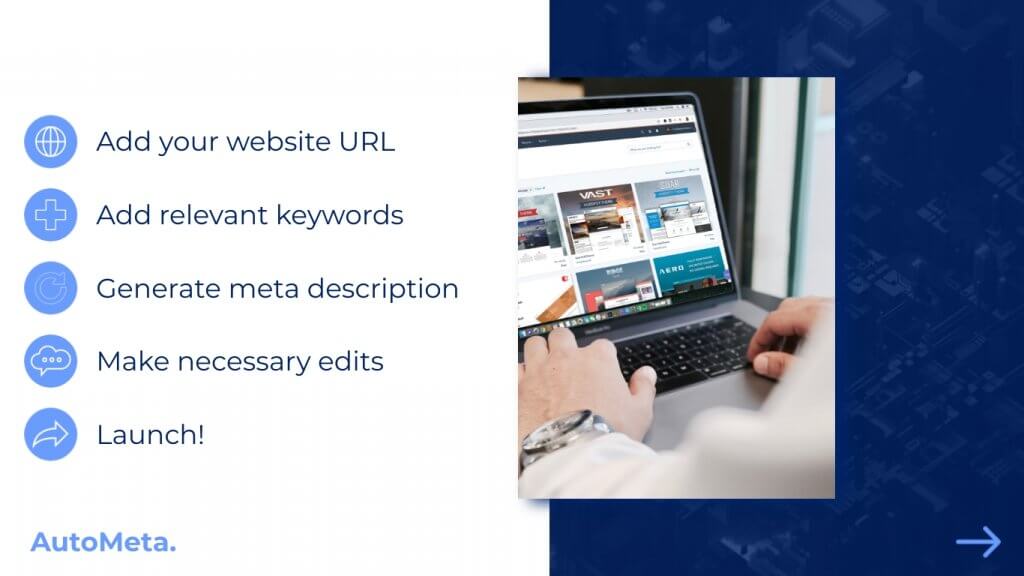
Visme's free product sales deck template helps you walk your lead through the problem and its implications, then present your product as the solution. It offers premade slides to explain the product at a high level, which you can expand upon to include more information or a written or video demo. It ends with a CTA prompting the viewer to become a customer, which you can edit with your own CTA according to your sales process and the cost of your product.
Sales Deck Template Examples for Products
Take a look at these two examples of quality sales decks that clearly explain the products and their value to the viewer:
AdGibbon Product Sales Deck Example
AdGibbon's product sales deck starts off by explaining why the lead should choose them, then dives into their tool, a campaign builder, on slide seven. It dedicates several slides to its various features and how to use them, plus images of the types of campaigns the lead can create. It then goes on to explain the analytics and customer service users receive. This example is great for getting the viewer excited about the product and making them believe they can use it well.

AdGibbon product sales deck example
Castle Product Sales Deck Example
The startup company Castle's product deck example helped raise funding from investors for their real estate software. While it's not a typical deck that sellers would use to convince leads to buy their product, it's still a worthy example with important takeaways. It starts with a cover slide listing their USP, then problem and solution slides before simply explaining the product. The deck ends with Castle's progress so far plus more ways to grow, giving the viewer faith in their success.
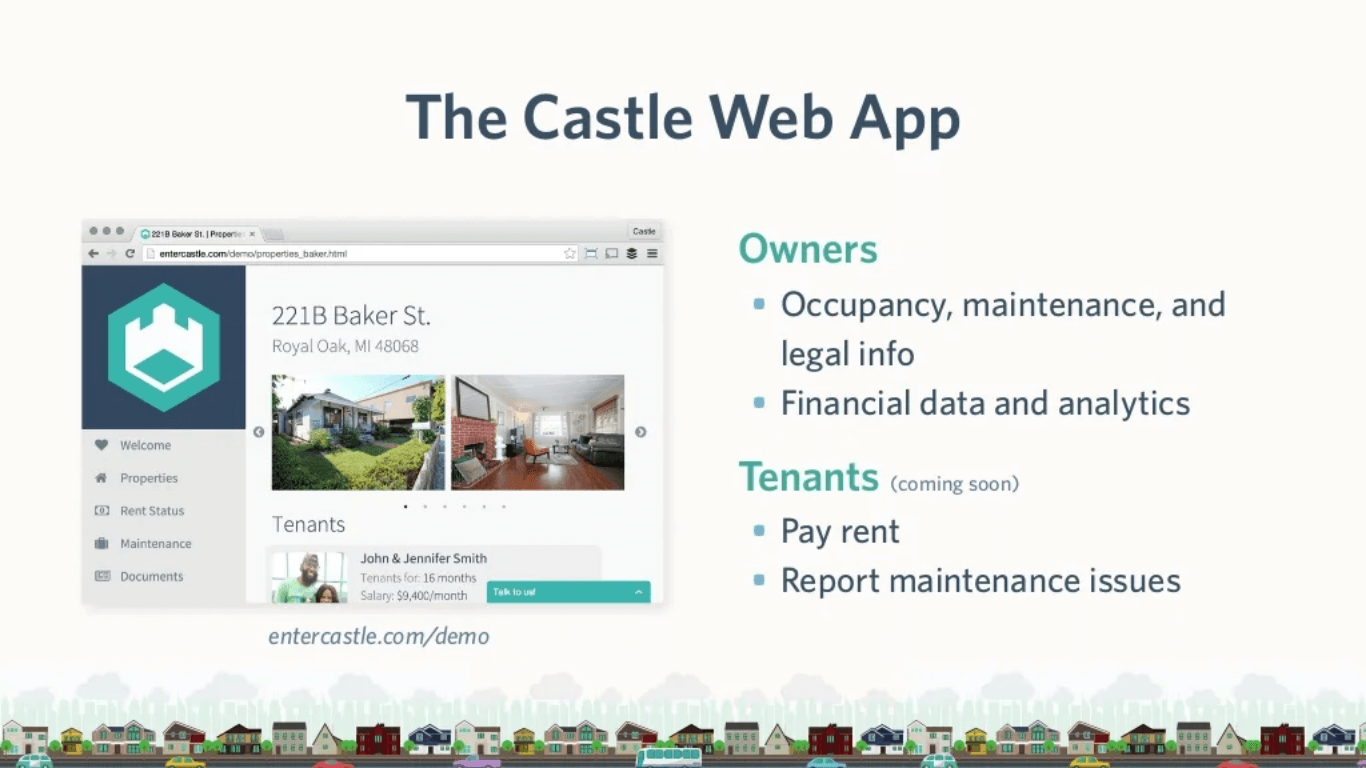
Castle product sales deck example
Sales Deck Template for Beating a Competitor
At times, you'll go up against competitors also vying for your prospect’s time and attention. In this situation, use a sales deck that highlights your unique selling proposition (USP): the main reason your business is better than the competition. If you know it’s one specific competitor you're going head to head with, use the differentiator that propels you above that specific company. Ask yourself, “Why do customers choose us over them?” and present the answer throughout the deck.
Slidebean's free pitch deck template offers a great customizable foundation for a sales deck that emphasizes your value proposition and helps you win out against the competition. The deck starts with a slide on which you highlight one main idea; in this case, that’s your USP. You can then use the next few slides to defend with stats and data why your claim to fame is true. Then, on the fourth slide, you can respectfully discuss your competitors’ shortcomings.
Sales Deck Template Examples for Beating a Competitor
Expand the below for examples of sales decks that explain why the companies that created it are a better fit for the lead than their competitors:
Snapchat Competition Sales Deck Example
The Snapchat Ads sales deck is a perfect example of a sales deck designed to beat its competitors by focusing on its USP, which is its large audience of 13- to 34-year-olds. It presents this impactful declaration on the first slide and then goes on to back its claim up with data and logic. Any of their prospects looking for this specific value proposition would likely pick Snapchat over Facebook or Instagram after seeing this.

Snapchat Ads competition sales deck example
Zenefits Competition Sales Deck Example
The Zenefits sales deck is short and sweet. By the fifth slide, it’s already focusing on beating the competition with a telling comparison image below, where it highlights the fact that, unlike its competitors in the space, Zenefits leaves you with no administrative work. If you’re in a competitive battle for the sale, it makes sense to create an image like this one that shows why your prospect should choose you.
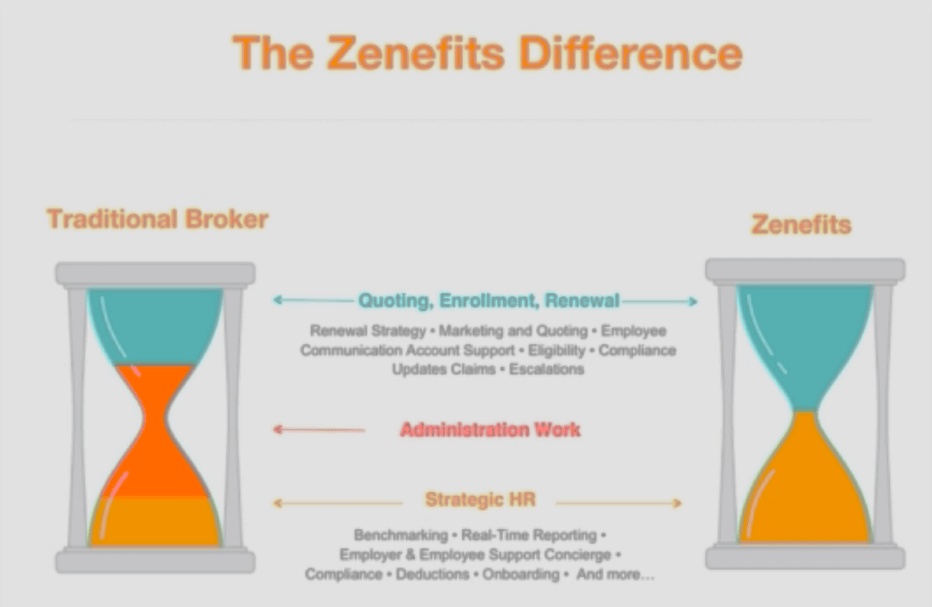
Zenefits competition sales deck example
Sales Deck Template for Selling During Industry Changes
If your prospects are experiencing a market shift that's changing the way they work, it might be useful to use a sales deck that uses a change/opportunity narrative structure. The sales deck should begin by harping on the shift and explaining how your clients are using your solution to come out on top in this new, unfamiliar environment. Whether it’s a new technology or a market crash that’s shaking up the industry, this type of sales deck can relieve your nervous buyers.
The Zuora sales deck template allows you to customize the widely distributed Zuora sales deck, which taught its prospects how to succeed in the new subscription economy. The template spends the first five slides discussing the change and how it’s affecting companies like your prospects’. It then introduces how a few companies are succeeding through the shift. Lastly, it has a slide where you explain to your prospects how your solution can help them do the same.

Sales Deck Template Examples for Industry Changes
Below, we've included three examples (including our own) of decks that work well during industry changes. Click below to see them:
Our Industry Change Sales Deck Example
We created our own industry change sales deck for a fictitious dog-training business, Woof Woof Academy, that's currently operating under a huge industry shift — dogs are in the middle of a cognitive revolution and now have a facility for language.
The deck first focuses on the potential benefits of this big change (e.g., conversations with dogs) but then explains how most dog owners (its clientele) are struggling to capitalize on it and therefore miss the rewards of owning dogs who can speak, read, and write. The deck then goes on to demonstrate how their training program can help these dog owners bridge this gap to doggy literacy. Flip through the deck for some ideas about how to organize yours.

Our industry change sales deck example
LeadCrunch Industry Change Sales Deck Example
The LeadCrunch sales deck does a fantastic job of employing the change/opportunity story structure. It begins by stating that we now live in a world of prediction and personalization. It then shows how some well-known brands are thriving in this new world, before highlighting some roadblocks to achieving that kind of success. Finally, the deck introduces their software and explains how it can help prospects overcome these common roadblocks.
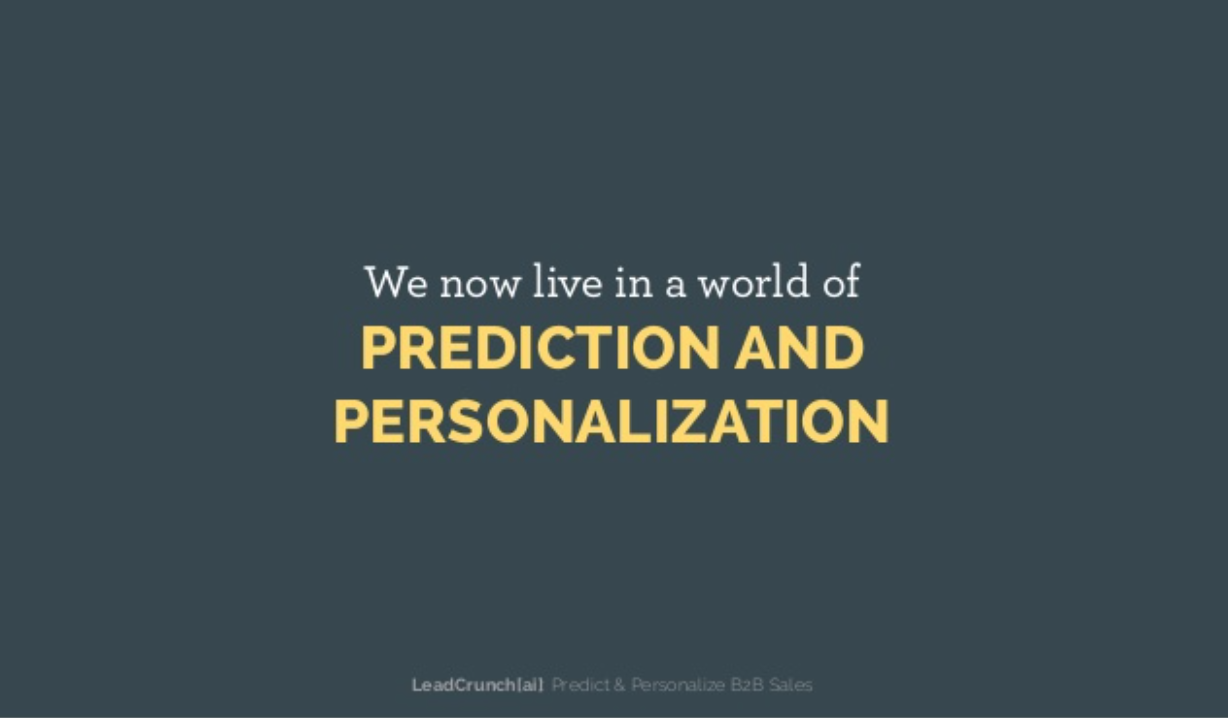
LeadCrunch industry change sales deck example
DocSend Industry Change Sales Deck Example
The DocSend sales deck begins by telling the audience how the internet has changed sales: buyers are more in control than ever before. It then discusses how marketing content plays a huge role in capitalizing on this new buyer-centric market but that businesses are failing to do this correctly because they’re not tracking the effectiveness of their content. It then introduces its product and explains how it helps marketers and sellers succeed in this new environment.

DocSend industry change sales deck example
Bottom Line: Sales Deck Template
Whether you want to edit and customize a sales deck template to fit your own lead nurturing process or cherry-pick ideas from another company’s deck, tailor yours to your target audience. It should discuss problems relevant to the buyer and clearly pitch how your product or service will help them through these difficult times to the other, more profitable and enjoyable side. When you create the best deck for your business, use that as a template for you and your team.
