


Finding accurate contact information for email lookup is essential to successful sales prospecting. Sending messages to invalid or outdated email addresses doesn’t just waste time. It can increase bounce rates, damage deliverability, and make it harder for future emails to reach the inbox.
That’s why learning how to find an email address the right way is a key part of building a reliable outreach strategy, especially as inbox providers tighten standards around sender reputation and list quality.
Finding valid prospect email addresses can feel challenging, but there are several proven methods you can use to uncover work emails, confirm formatting patterns, and verify accuracy before sending.
Below are 12 reliable ways to find prospect email addresses, along with my best practices to help you avoid bad data and protect your outreach performance.
- 1. Check the company website (contact, about, press, and author pages)
- 2. Use Google search operators (and let AI help you search smarter)
- 3. Use LinkedIn to validate the right person (then locate contact signals)
- 4. Use email finder tools (ideally with built-in verification)
- 5. Use a B2B lead database when your goal is pipeline building
- 6. Find the company’s email format by checking other employees’
- 7. Use an email permutator and verify your guesses
- 8. Subscribe to newsletters, gated content, webinars, and events
- 9. Check X (formerly Twitter) and personal brand hubs
- 10. Use Facebook and Instagram for local or small business leads (optional)
- 11. Use WHOIS as a last resort (privacy often limits results)
- 12. Avoid purchasing email lists (and use databases instead)
- Why finding emails matters
- Best practices for outreach
- Frequently asked questions (FAQs)
- Bottom line: How to find email addresses
- Recommended for you…
1. Check the company website (contact, about, press, and author pages)
Before using tools, start with the sources that companies and professionals intentionally publish. Company websites and press pages are often the most reliable business email address listings because the information is published intentionally. Many organizations list direct email addresses on their contact, about, press, team, and blog author pages.
Press/media pages are especially useful because they often include direct emails for PR, partnerships, or leadership. You should also check PDFs, downloadable brochures, job listings, and conference/event pages, which sometimes include contact details or “mailto:” links.
2. Use Google search operators (and let AI help you search smarter)
A standard Google search is often too broad to surface what you need. Instead, use Google search operators to find publicly indexed emails associated with a company or person. Try searches like:
- site:company.com "@company.com"
- "First Last" "@company.com"
- site:company.com "mailto:" "@company.com"
- "email" "First Last" company
To save time and improve accuracy, you can also use AI tools (like ChatGPT, Gemini, or Perplexity) to generate operator-based queries and identify likely sources (press pages, bios, author profiles, event listings).
AI won’t magically “find” hidden emails, but it can significantly improve the research path and reduce manual trial-and-error.
3. Use LinkedIn to validate the right person (then locate contact signals)
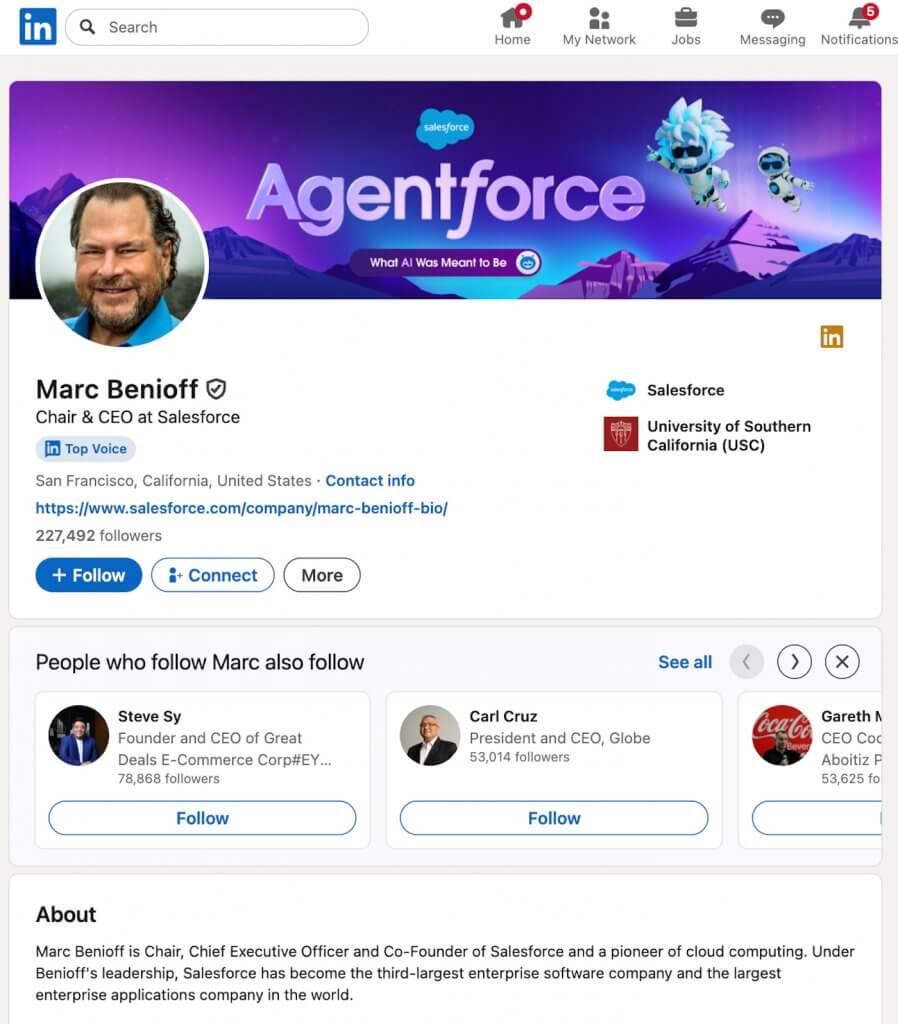
LinkedIn remains one of the best platforms for confirming who you should be contacting, especially in the business-to-business (B2B) industry.
Even if a profile doesn’t show an email address, it provides the details you need to find it elsewhere, including the person’s correct name, job title, company, seniority, location, and sometimes personal websites or portfolio links.
Some users also share emails in the Contact Info section, especially founders, consultants, recruiters, and creators.
4. Use email finder tools (ideally with built-in verification)
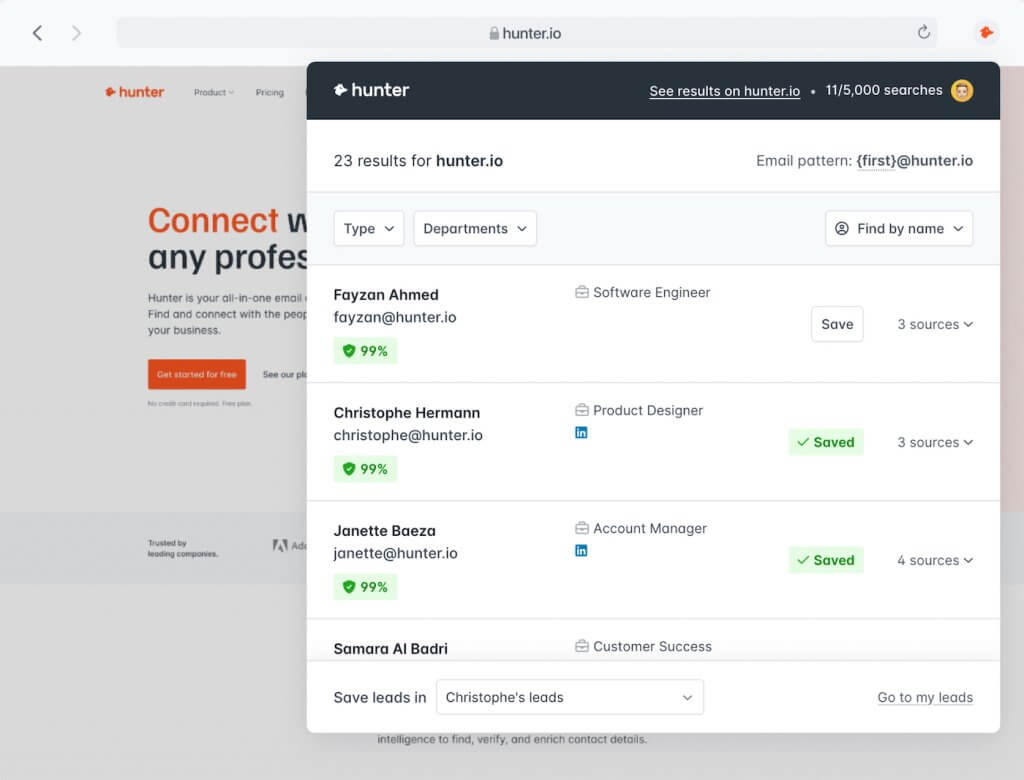
If you need to look up email addresses quickly, email finder tools can return verified matches using a name and a company domain, especially for B2B teams running cold emailing campaigns. Most work by searching their databases using a name and company domain, then returning a likely match.
However, because accuracy varies, the best tools either include built-in verification or should be paired with a verifier to reduce bounce risk. Think of finder tools as time-savers — not perfect sources — and always validate addresses before outreach whenever possible. Hunter.io is widely regarded as one of the best email finder software tools because it offers free searches, domain-based discovery, and email pattern insights that make prospecting faster and more accurate.
5. Use a B2B lead database when your goal is pipeline building
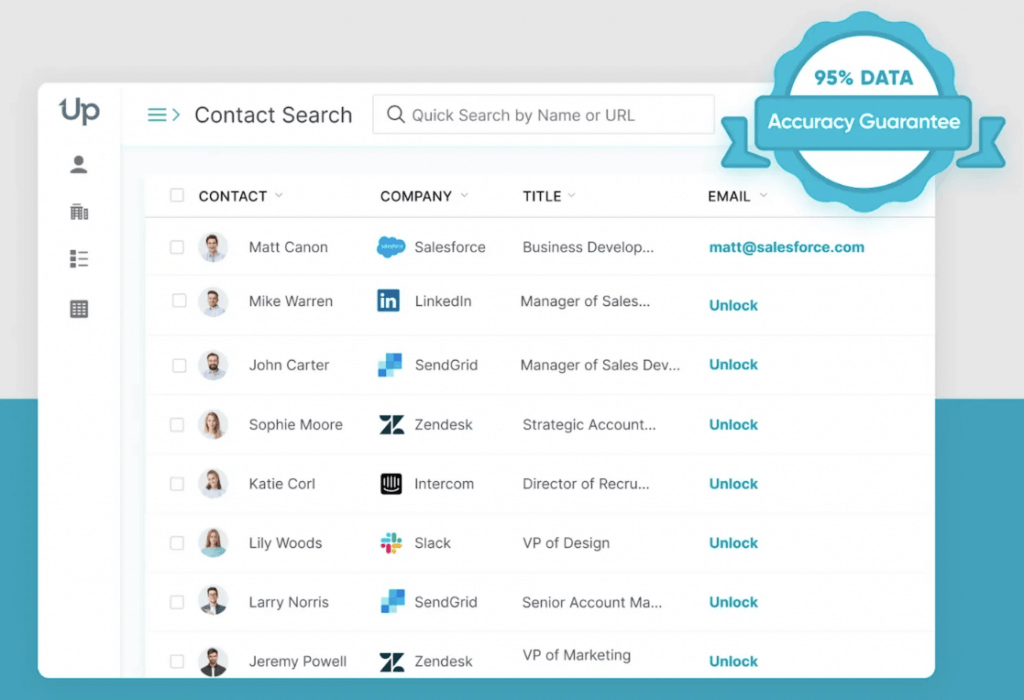
If you’re trying to build a predictable pipeline rather than a single contact, B2B lead databases are often more efficient than manual searching.
Top sales prospecting tools like UpLead give you access to millions of prospect profiles with verified email addresses, job titles, company details, and enrichment data you can use to personalize outreach.
When you need scale, a structured database like UpLead helps you move faster than one-off lookup strategies while maintaining the data quality needed for strong deliverability.
6. Find the company’s email format by checking other employees’
One of the simplest ways to find a specific work email address is to identify the company’s naming convention. You can often find emails for other employees through press releases, blog author pages, or public contact information.
Once you locate one confirmed email, you can infer the format for your prospect. Here are some examples:
- firstname.lastname@company.com
- firstinitiallastname@company.com
- firstname@company.com
This method is especially useful when tools don’t return a result, but the company’s format is consistent.
7. Use an email permutator and verify your guesses
If you’re confident in the company’s email format but can’t locate a direct match, a permutator can generate common variations automatically. This removes the guesswork of manually testing formats.
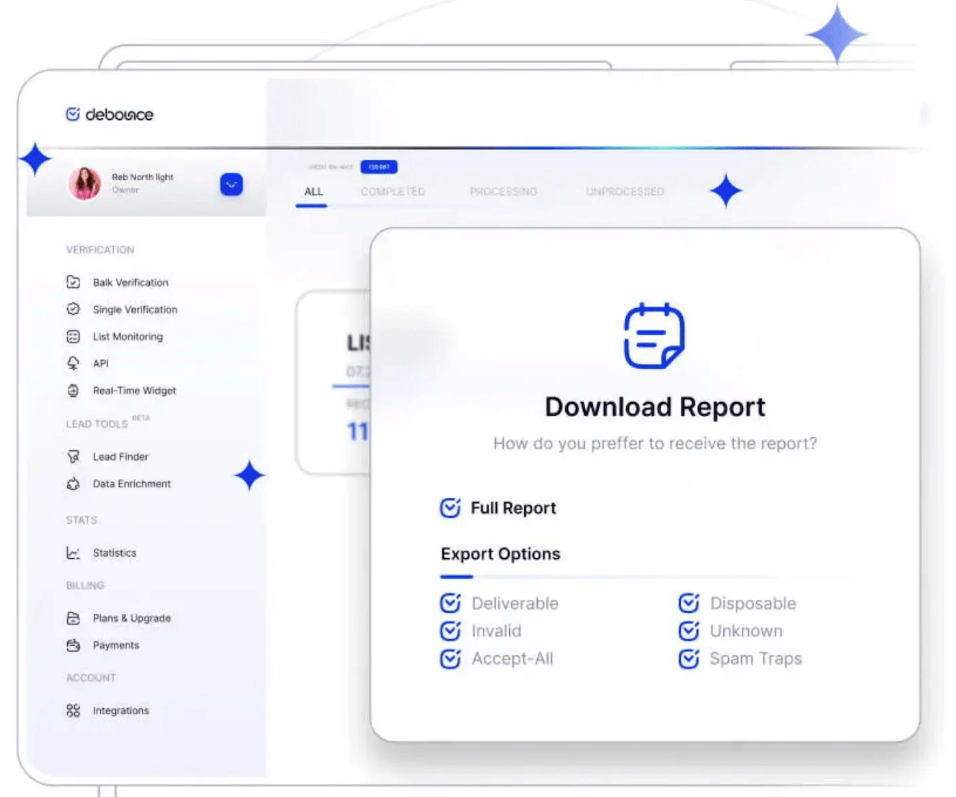
Once you generate possible emails, use an email verification tool to confirm which address is valid before sending any outreach. This approach can work extremely well for finding a single executive or decision-maker, especially at companies with predictable naming conventions.For example, DeBounce is one of the best email verification software for quickly validating whether an address is deliverable by detecting invalid emails, spam traps, and catch-all domains. This helps you reduce bounce risk before you ever hit send.
8. Subscribe to newsletters, gated content, webinars, and events
Newsletter subscriptions are still a useful tactic, but modern lead discovery goes beyond newsletters. Webinars, virtual events, gated content, and downloadable resources often reveal contact details, particularly for speakers, founders, marketers, and partnership roles.
Smaller businesses may also send newsletters from a real employee's inbox rather than a generic “no-reply,” making it easier to identify a reachable email address.
9. Check X (formerly Twitter) and personal brand hubs
X can still be useful, especially for founders, independent consultants, agencies, and creator-led brands. Many people list an email address directly in their bio or link to a Linktree-style hub that includes contact information.
If the email isn’t visible, you can search their posts for “email,” “@gmail.com,” “@company.com,” or the word “contact,” though results will vary depending on how publicly they engage. When appropriate, a direct message can also be an effective way to request an email address.
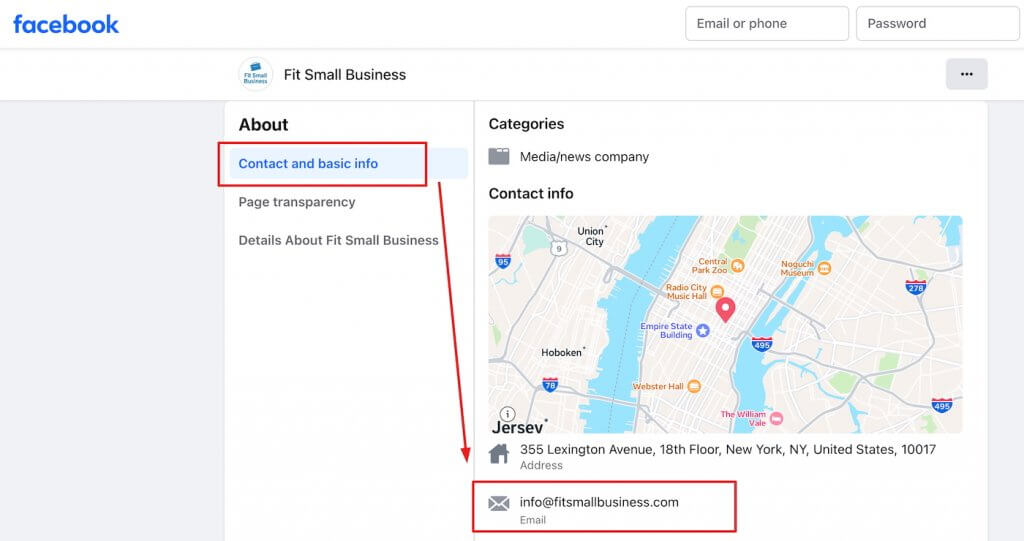
10. Use Facebook and Instagram for local or small business leads (optional)
For local businesses, service providers, and consumer-facing brands, Facebook business pages and Instagram profiles still sometimes display direct contact information.
These platforms can be useful if you’re targeting smaller organizations or businesses that rely heavily on social media for customer inquiries. For most B2B prospecting, however, this method is usually less efficient than LinkedIn and professional email tools.
11. Use WHOIS as a last resort (privacy often limits results)
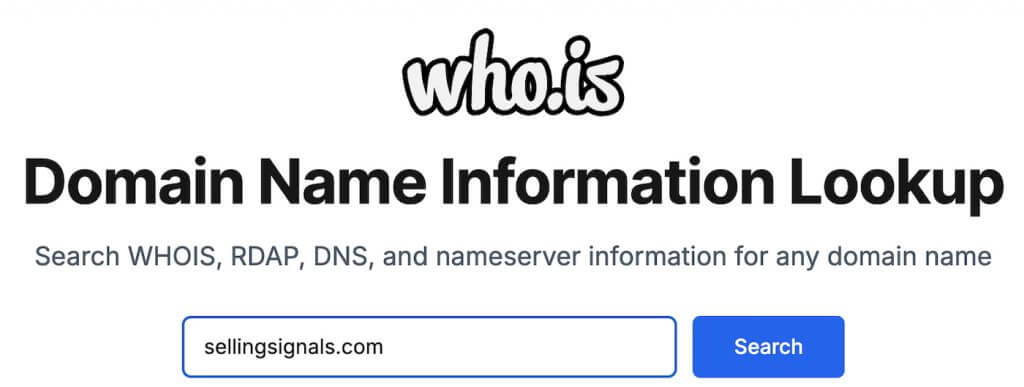
WHOIS tools can sometimes help you find administrative contact information tied to a domain, but privacy protections now prevent most domains from displaying full ownership details.
That said, WHOIS can still occasionally surface a registrar contact or administrative email address, especially for older domains or businesses that haven’t enabled privacy protection.
12. Avoid purchasing email lists (and use databases instead)
Buying email lists directly is risky and often results in outdated data, poor deliverability, and increased spam complaints. It can also introduce compliance risks depending on how the list was sourced.
If you need scale, it’s far safer to use a database that includes filtering and verification rather than buying a list outright. Most modern prospecting teams prioritize data quality and deliverability over raw volume.
Why finding emails matters
Finding email addresses is a foundational step in effective outreach. Whether you’re in sales, marketing, recruiting, or partnerships, having accurate contact information ensures your messages reach the right people and deliver measurable results.
Without reliable email data, even the most effective outreach strategy can fall short. That said, these are the reasons why finding emails is important.
- Helps reach the right decision-makers: Finding accurate email addresses ensures your message reaches the correct person instead of a generic inbox. This improves open and response rates and reduces wasted effort on unqualified or unreachable contacts.
- Improves outreach performance: When emails reach valid recipients, campaigns perform better overall. Accurate email data leads to higher engagement, more replies, and better conversion rates across sales, recruiting, and partnership outreach.
- Protects sender reputation: Sending emails to invalid or outdated addresses increases bounce rates, which can harm deliverability. Maintaining clean and accurate contact data helps ensure future emails land in inboxes rather than spam folders.
- Enables scalable personalization: Email allows teams to personalize outreach while maintaining operational efficiency at scale. Having reliable email addresses makes it easier to track engagement, test messaging, and refine campaigns over time.
- Provides a competitive advantage: In fast-moving markets, reaching prospects early matters. Accurate contact information helps teams initiate conversations sooner and avoid missed opportunities.
Best practices for outreach
Finding an email address is only the first step in successful outreach. How that email is used ultimately determines whether your message earns a response or gets ignored.
Following proven outreach best practices helps increase response rates, protect your sender reputation, and build trust with potential contacts.
Keep outreach relevant and targeted
Inbox competition is intense. Litmus reports that 67% of consumers say they receive too many emails, which is why relevance and targeting are essential if you want your outreach to stand out. Reaching out only to people who are a strong fit for your message improves engagement and reduces the risk of being flagged as spam. Targeted outreach consistently outperforms mass email campaigns.
Personalize beyond first names
Effective personalization goes beyond using a recipient’s name. Referencing their role, company initiatives, or recent activity demonstrates intent and builds credibility.
Focus on value, not the pitch
Successful outreach emails are concise and centered on value for the recipient. The goal is to start a conversation, not deliver a full sales pitch in the first message. Instead of listing product features, lead with a specific outcome or insight tied to the recipient’s role. For example, a value-first email might offer a quick benchmark (“We helped similar teams reduce onboarding time by 20% — want the playbook?”) or a relevant observation (“I noticed you’re hiring SDRs. Are you also scaling outbound processes?”). The key is to make the message feel useful even if the recipient never replies.
Verify email addresses before sending
Email verification reduces bounce rates and protects sender reputation. Sending verified emails improves deliverability and long-term outreach performance. Mailbox providers are also raising the bar. Microsoft now requires high-volume senders to implement SPF, DKIM, and DMARC, and it emphasizes list hygiene and bounce management as core steps to protect deliverability.
Follow legal and compliance guidelines
Outreach should comply with regulations such as GDPR, CCPA, and CAN-SPAM. Including opt-out options and respecting unsubscribe requests helps maintain trust and compliance. Compliance is as much about regulations as it is deliverability. Google’s sender guidelines for bulk emails outline clear authentication and trust expectations that directly affect whether your messages land in the inbox or get filtered.
Time follow-ups strategically
Many responses come from follow-ups rather than initial emails. Spacing follow-ups appropriately and adding value in each message increases response rates without being intrusive. Data from BuzzStream found that sending follow-up emails increased reply rates by 85%, with the first follow-up delivering the biggest lift and diminishing returns after that. The goal is to add value each time, not repeat the same pitch. For example, your first follow-up might share a short relevant case study or a brief insight, while the second could include a quick question that makes it easy to respond (“Is this a priority this quarter?” or “Should I reach out to someone else on your team?”). Spacing follow-ups a few days apart helps you stay visible without being intrusive, and each message should give the prospect a fresh reason to engage.
Continuously test and optimize outreach
Testing subject lines, messaging, and send times helps identify what resonates most. Even small adjustments can have a measurable impact, especially when inboxes are saturated and buyers are more selective. In Litmus’ 2024 State of Email Trends research, more than 90% of email marketers said segmentation boosts performance, and more than 80% reported improved performance from personalization tactics like dynamic content and tailored messaging. The same principle applies to outbound: Test one variable at a time (such as a shorter subject line, a different CTA, or a role-specific first sentence), track reply rates, and roll winning versions into your templates. Over time, consistent testing and optimization help you improve response rates while keeping your outreach aligned with evolving inbox expectations and buyer behavior.
Frequently asked questions (FAQs)
How do I find email addresses for free?
There are a few free email lookup services that are reliable. Snov.io and Hunter.io offer limited free searches, and Name2Email is an additional tool that's a good option for those wanting a completely free tool. Name2Email offers unlimited free searches every month, and as a Google Chrome extension, it makes for a seamless and integrated experience.
How do I find email addresses using a phone number?
You can search Whitepages or another website to try to obtain an email address from the phone number you have. However, this method usually takes more time and effort than it's worth, and doesn't always work. If you have a phone number for a lead, it's typically more productive to call or text them to request their email address.
Are email finder tools legal to use?
Email finder tools are legal when used responsibly and in compliance with data privacy regulations. Most tools collect publicly available business contact information rather than private personal data. However, users must still follow laws such as GDPR, CCPA, and CAN-SPAM. Outreach should be relevant, professional, and include a clear opt-out option. Using email finder tools ethically helps protect your brand reputation and reduces legal risk.
How accurate are email lookup tools?
Email lookup tool accuracy depends on the provider, data sources, and how recently the information was updated. Most reputable platforms report accuracy rates between 70% and 95%, but no tool can guarantee perfect results. Job changes, company restructures, and outdated records can affect accuracy. For this reason, email verification is strongly recommended to reduce bounced emails and improve deliverability.
Do I need to verify email addresses before sending emails?
Verifying email addresses before sending messages is highly recommended for maintaining good deliverability. Verification confirms that an email address is active and capable of receiving messages, which helps prevent hard bounces. High bounce rates can damage the sender's reputation and cause future emails to land in spam folders. Many email lookup tools include built-in verification, but standalone verification services can also be used for added accuracy.
How do I get email addresses for marketing outreach?
If you’re wondering how to get email addresses for marketing outreach, the best approach is to use opt-in sources like forms, gated content, webinars, and newsletters, or a reputable B2B database with verified contacts. Avoid buying lists, verify emails before sending, and follow CAN-SPAM, GDPR, and CCPA guidelines to protect deliverability and trust.
Bottom line: How to find email addresses
With so many available options to find your leads' email addresses, your decision should come down to the time, money, and effort you’re willing to spend on this method of lead generation.
Every one of these options takes a different level of each, so finding the balance that works for you and your company is the key to getting it right. Try out some or all of these methods, and take note of the ones that you find most successful.
